



Profile
|
|
|
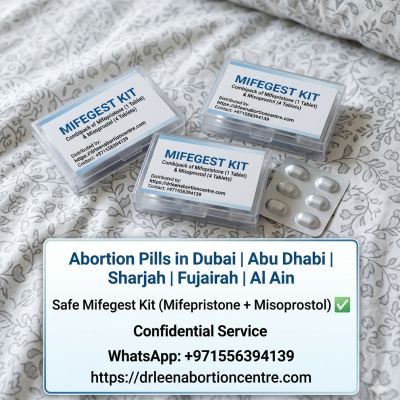
Abortion pills in Dubai(0556394139*)Mifepristone & Misoprostol kit available in Dubai, Abu Dhabi
Location:
Rigga
United Arab Emirates 00000
United Arab Emirates 00000
Contact:
Abortion pills in Dubai, UAE (+971556394139) Mifepristone & Misoprostol (Cytotec) pills in Dubai, Abu Dhabi, Sharjah, Satwa, Deira, Downtown, Ajman, Marina, RAK, UAE: +971556394139 Abortion Pills For sale in Dubai, Ajman, Fujairah & Bahrain—Price of Cytotec (misoprostol) & mifepristone in Sharjah, RAK & Al Ain—unwanted pregnancy pills in DUBAI—Medication Abortion (MTP Kit) in Dubai, UAE—CONTACT DR. Leen on WhatsApp: +971556394139 We have Abortion Pills / Cytotec tablets / mifegest kits available in Dubai, Sharjah, Abu dhabi, Ajman, Ain, Fujairah, Ras Al Khaimah, Umm Al Quwain, UAE. buy cytotec in Dubai
Additional Info:
Abortion pills in Dubai, UAE (+971556394139) Mifepristone & Misoprostol (Cytotec) pills in Dubai, Abu Dhabi, Sharjah, Satwa, Deira, Downtown, Ajman, Marina, RAK, UAE +971556394139 Abortion Pills in Dubai, Ajman, Fujairah & Bahrain-price of Cytotec (misoprostol) & mifepristone in Sharjah, RAK & Al Ain-unwanted pregnancy pills in DUBAI-Medication Abortion (MTP Kit) in Dubai, UAE—CONTACT DR. Leen on WhatsApp: +971556394139 We have Abortion Pills / Cytotec Tablets /mifegest kit Available in Dubai, Sharjah, Abudhabi, Ajman, Alain, Fujairah, Ras Al Khaimah, Umm Al Quwain, UAE, buy cytotec in Dubai+971556394139“ Abortion Pills near me DUBAI | ABU DHABI|UAE. Price of Misoprostol, Cytotec”
Above all, Cytotec Abortion Pills are Available in Dubai / UAE, you will be very happy to do abortion in dubai
we are providing cytotec 200mg abortion pill in Dubai, UAE. Medication abortion offers an alternative to Surgical Abortion for women in the early weeks of pregnancy.
We only offer abortion pills from 1 week-6 Months.
We then advice you to use surgery if its beyond 6 months.
Our Abu Dhabi, Ajman, Al Ain, Dubai, Fujairah, Ras Al Khaimah (RAK), Sharjah, Umm Al Quwain (UAQ) United Arab Emirates Abortion Clinic provides the safest and most advanced techniques for providing non-surgical, medical and surgical abortion methods for early through late second trimester, including the Abortion By Pill Procedure (RU 486, Mifeprex, Mifepristone, early options French Abortion Pill), Tamoxifen, Methotrexate and Cytotec (Misoprostol).
The Abu Dhabi, United Arab Emirates Abortion Clinic performs Same Day Abortion Procedure using medications that are taken on the first day of the office visit and will cause the abortion to occur generally within 4 to 6 hours (as early as 30 minutes) for patients who are 3 to 12 weeks pregnant.
When Mifepristone and Misoprostol are used, 50% of patients complete in 4 to 6 hours; 75% to 80% in 12 hours; and 90% in 24 hours. We use a regimen that allows for completion without the need for surgery 99% of the time.
All advanced second trimester and late term pregnancies at our Tampa clinic (17 to 24 weeks or greater) can be completed within 24 hours or less 99% of the time without the need surgery. The procedure is completed with minimal to no complications.
Our Women’s Health Center located in Abu Dhabi, United Arab Emirates, uses the latest medications for medical abortions (RU486, Mifeprex, Mifegyne, Mifepristone, early options French abortion pill), Methotrexate and Cytotec (Misoprostol).
The safety standards of our Abu Dhabi, United Arab Emirates Abortion Doctors remain unparalleled. They consistently maintain the lowest complication rates throughout the nation.
Our Physicians and staff are always available to answer questions and care for women in one of the most difficult times in their life.
The decision to have an abortion at the Abortion Clinic in Abu Dhabi, United Arab Emirates, involves moral, ethical, religious, family, financial, health and age considerations.
Abortion Pills: The Complete 2026 Guide — How They Work, Safety, Side Effects & How to Access Them
A medically accurate, up-to-date reference covering everything about abortion pills — from the science of mifepristone and misoprostol to effectiveness rates, safety data, what to expect, warning signs, and how to access care in every state.
Medical Disclaimer: This article is for informational purposes only and is not a substitute for professional medical advice, diagnosis, or treatment. Always consult a qualified healthcare provider before making medical decisions. If you are experiencing a medical emergency, call emergency services immediately.
98%
Effective up to 8 weeks gestation
20+
Years of FDA-approved use in the US
2.75M+
People who have used mifepristone in the US
1 in
100K
Risk of death — lower than acetaminophen
In This Guide
What Are Abortion Pills?
How They Work (Step by Step)
Effectiveness by Gestational Age
What to Expect: Timeline
Side Effects & Warning Signs
Safety: Data & Science
Who Can Use Abortion Pills
Misoprostol-Only Protocol
How to Access Abortion Pills
Cost & Insurance
Legal Landscape (US 2026)
Frequently Asked Questions
Support Resources & Hotlines
1. What Are Abortion Pills?
"Abortion pills" is the common name for medication abortion — a method of ending a pregnancy using two FDA-approved medications: mifepristone and misoprostol. This is distinct from emergency contraception (Plan B), which prevents pregnancy rather than ending one.
The combination is sometimes called the two-pill regimen, the mifepristone-misoprostol protocol, or simply medication abortion. It was first approved by the US Food and Drug Administration in September 2000 and has since become one of the most studied and used medications in reproductive healthcare worldwide.
Key distinction: Abortion pills are not the same as emergency contraception (Plan B / morning-after pill). Plan B prevents a pregnancy from occurring and must be taken within 72–120 hours of unprotected sex. Abortion pills end an existing pregnancy and are used after a positive pregnancy test.
Abortion pills are used not only for elective pregnancy termination, but also by healthcare providers to manage missed miscarriages (pregnancies that have ended naturally but not yet passed), making the medications relevant to a wide range of reproductive health situations.
The Two Medications
Mifepristone (brand names: Mifeprex, RU-486) is an antiprogestational agent — it works by blocking progesterone, the hormone required for a pregnancy to continue. Without progesterone, the uterine lining thins and the pregnancy can no longer sustain itself. A standard dose is 200 mg taken orally.
Misoprostol (brand name: Cytotec) is a prostaglandin analogue that causes the uterus to contract and expel the pregnancy tissue. It comes in 200 mcg tablets and is typically taken as four tablets (800 mcg total) 24–48 hours after mifepristone. It can be taken buccally (dissolved between cheek and gum), sublingually (under the tongue), or vaginally.
2. How Abortion Pills Work — Step by Step
1
Consultation & Screening
You meet with a healthcare provider — in person, or via telehealth in eligible states — to confirm the pregnancy is intrauterine (not ectopic), determine gestational age (often by ultrasound), review your medical history, and receive the medications or a prescription.
2
Take Mifepristone (Day 1)
You swallow the 200 mg mifepristone tablet with water. This blocks progesterone receptors in your uterus, stopping the pregnancy from growing and beginning the process of detachment from the uterine lining. You may notice some light spotting or no symptoms at all at this stage.
3
Wait 24–48 Hours
The waiting period allows mifepristone to take full effect. During this time, most people feel little different — some experience mild spotting or light cramping. You can remain at home or go about normal activities during this phase.
4
Take Misoprostol (Day 2 or 3)
You place four 200 mcg misoprostol tablets between your cheek and gum (buccal route), under your tongue (sublingual), or vaginally. The tablets dissolve over approximately 30 minutes. This medication triggers uterine contractions and causes bleeding that expels the pregnancy tissue — a process similar to a heavy period or early miscarriage.
5
Active Phase: Cramping & Bleeding
Heavy bleeding and strong cramps typically begin 1–4 hours after misoprostol and the most intense phase lasts 4–6 hours. You may pass blood clots and pregnancy tissue. Pain can be managed with ibuprofen (recommended over aspirin, which increases bleeding) and a heating pad. Plan to rest at home on this day.
6
Follow-Up Confirmation
A follow-up appointment — in person, by phone, or using a specially calibrated pregnancy test — is typically scheduled 1–2 weeks later to confirm the abortion is complete. If incomplete, additional medication or a minor procedure may be needed. Regular home pregnancy tests can remain positive for up to 5 weeks after the abortion due to residual pregnancy hormones.
3. Effectiveness of Abortion Pills by Gestational Age
Effectiveness depends primarily on how far along the pregnancy is and whether an additional dose of misoprostol is taken. The following data is drawn from peer-reviewed clinical research and FDA labeling:
Gestational Age
Standard Regimen
With Extra Misoprostol Dose
Effectiveness Visual
Up to 8 weeks
94–98%
—
98%
8–9 weeks
94–96%
—
96%
9–10 weeks
91–93%
—
93%
10–11 weeks
87%
~98%
87%
Misoprostol only (any)
85–95%
—
90%
The earlier in pregnancy the medication is taken, the more effective it tends to be. If the abortion is not complete, the provider will offer additional misoprostol or, if necessary, an in-clinic aspiration procedure. The FDA approves the combination through 70 days (10 weeks) of gestation; however, clinical evidence supports safety and effectiveness through 77 days (11 weeks) with dosage adjustments.
Comparing methods: In-clinic surgical (aspiration) abortion has an effectiveness rate above 99%. Medication abortion is highly effective but has a small chance of requiring follow-up treatment, which is why confirmation of completion is an important part of the process.
4. What to Expect: A Day-by-Day Timeline
Day 1 — Mifepristone
Most people feel little to nothing after taking mifepristone. A small number experience light spotting. You can resume normal activities. If nausea occurs, it is mild and usually resolves within a few hours.
Day 2 or 3 — Misoprostol
Plan to stay home and rest. Prepare your space with: heavy-flow menstrual pads (to monitor bleeding), a heating pad for cramps, ibuprofen (400–800 mg taken 30 minutes before misoprostol can reduce pain intensity), anti-nausea medication if prescribed, fluids, and light snacks. Arrange for a trusted person to be nearby if possible.
Bleeding typically begins within 1–4 hours of taking misoprostol. The heaviest phase usually lasts 4–6 hours, during which clotting and strong cramps are normal. The pregnancy tissue is passed during this window. Bleeding then gradually decreases over the following hours and days.
Days 4–14 — Recovery
Most people return to normal activities the day after misoprostol. Lighter spotting — similar to the tail end of a period — can continue for 2–4 weeks. Fatigue is common for 1–2 days. Emotional responses vary widely and are all valid: relief, grief, or a mixture of both are reported in the research literature.
Week 2 — Follow-up
A follow-up confirms completion. Your provider may use a specially calibrated low-sensitivity pregnancy test, a blood hCG test, or an ultrasound. Standard over-the-counter pregnancy tests may remain positive for up to 5 weeks after the abortion and should not be used for confirmation during this window.
Week 4–8 — Return of Fertility & Period
If you are not using hormonal contraception, you can become pregnant again as soon as 8 days after a medication abortion. Your regular period should return within 4–8 weeks. Many providers discuss contraception options at or before the follow-up appointment.
5. Side Effects & Warning Signs
Common & Expected Side Effects
Heavy vaginal bleeding with clots
Strong uterine cramping
Nausea or vomiting
Diarrhea
Chills or low-grade fever (in first few hours)
Headache
Dizziness or lightheadedness
Fatigue for 1–2 days
Spotting for 2–4 weeks
Seek Immediate Medical Care If…
Soaking 2+ maxi pads per hour for 2+ consecutive hours
Fever above 101°F lasting more than 24 hours
Severe abdominal pain not relieved by ibuprofen
No bleeding within 24 hours of taking misoprostol
Foul-smelling vaginal discharge
Signs of infection: weakness, sustained nausea/vomiting
Signs of ectopic pregnancy: one-sided pelvic pain, shoulder pain
⚠ Emergency Warning Signs — Seek Care Immediately
Hemorrhage: Soaking two or more menstrual pads per hour for two consecutive hours accompanied by dizziness or lightheadedness
Sustained high fever: Temperature above 102°F at any point, or above 101.4°F for more than 24 hours (may indicate serious infection or sepsis)
Severe pain: Pain that is not responding to prescription-strength ibuprofen and is worsening rather than improving
Signs of ectopic pregnancy: Sharp one-sided lower abdominal pain, shoulder pain, or fainting — an ectopic pregnancy is a medical emergency
Note: At the hospital you do not need to disclose that you took abortion pills. You can say you are pregnant and bleeding — abortion pills cannot be detected in the bloodstream and the presentation is clinically identical to a miscarriage.
What About Long-Term Effects?
Decades of research and data from millions of procedures consistently show no long-term health risks associated with medication abortion. Specifically, the scientific evidence does not support claims that abortion pills cause:
Breast cancer (no causal link has been established)
Infertility or difficulty conceiving future pregnancies
Increased rates of ectopic pregnancy in future pregnancies
Premature birth or low birth weight in subsequent pregnancies
Long-term psychological harm (studies show most people report relief)
Serious long-term emotional difficulties are uncommon and occur at rates similar to those seen after childbirth. People with limited social support or pre-existing mental health conditions may benefit from additional counseling resources.
6. Safety: What the Science Says
Mifepristone and misoprostol are among the most studied reproductive medications in history. The safety record over more than 20 years of use in the United States is extensive.
According to data reviewed by the American Academy of Family Physicians (AAFP), mifepristone has been used in over 2.75 million medication abortions in the US since FDA approval in 2000. In that time, fewer than 24 deaths have been attributed to the medication — a death risk of less than 1 in 100,000. For context, acetaminophen (Tylenol) causes approximately 500 deaths per year in the United States from overdose.
A major clinical analysis published in peer-reviewed literature found an overall complication rate of approximately 5.2%, with 94% of those complications classified as minor (manageable without further procedures). The major complication rate was 0.31 per 100 abortions — significantly lower than complication rates associated with term delivery or many common surgical procedures.
Context matters: A widely circulated 2025 study from the Ethics and Public Policy Center (EPPC) using insurance claims data reported a "serious adverse event rate" of approximately 10.93%. This figure has been scrutinized by independent medical researchers who note it includes minor follow-up care visits in its definition of "serious adverse events," which differs substantially from standard clinical definitions. Readers should consult peer-reviewed medical literature (AAFP, ACOG, WHO) for evidence-based risk assessments.
The World Health Organization (WHO) lists both mifepristone and misoprostol on its Essential Medicines List, identifying them as among the most important medications needed in a basic healthcare system. The American College of Obstetricians and Gynecologists (ACOG) endorses medication abortion as safe and effective through at least 70 days of gestation.
A study published in April 2026 in JAMA Internal Medicine found that abortion pills would be safe even if sold over the counter at pharmacies — adding to the substantial body of evidence supporting the safety of the medications even without mandatory in-person medical consultation in all cases.
7. Who Can Use Abortion Pills — Eligibility Criteria
A healthcare provider will evaluate your situation before prescribing abortion pills. The following is a general guide to eligibility:
Generally Eligible
✓
Pregnant up to 10–11 weeks (70–77 days from last menstrual period)
✓
Confirmed intrauterine pregnancy (not ectopic)
✓
No contraindications to mifepristone or misoprostol
✓
Able to access emergency care if needed
✓
No IUD in place (must be removed before starting)
May Not Be Eligible (Consult Provider)
✗
Suspected ectopic pregnancy (medication abortion will not treat this — it is a medical emergency)
✗
Confirmed or suspected adrenal gland problems
✗
Taking long-term corticosteroid therapy
✗
Clotting disorders or using anticoagulant medications
✗
Inherited porphyria
✗
IUD currently in place (must be removed first)
✗
Pregnancy beyond 10–11 weeks gestational age
Breastfeeding individuals can generally use abortion pills. Mifepristone passes into breast milk in very small amounts. Misoprostol also passes into breast milk briefly — some providers recommend pumping and discarding milk for 24 hours after taking misoprostol. Discuss the timing with your provider to determine what is best for you and your baby.
8. Misoprostol-Only Protocol
When mifepristone is unavailable — due to supply, cost, legal restrictions, or access barriers — misoprostol can be used alone to end a pregnancy. This protocol is widely used globally and is recognized as safe and effective by the WHO.
Misoprostol-only medication abortion is effective in approximately 85–95% of cases, depending on gestational age and administration route. It is somewhat less effective than the combination regimen but remains a medically established option.
A common protocol involves four doses of 800 mcg misoprostol each, administered every three hours, sublingually or vaginally. The side effect profile is similar to the combination regimen, with cramping and bleeding being the primary effects. Because no mifepristone is involved, a provider or support hotline (such as the M+A Hotline) can guide you through the process even where prescribing may be restricted.
9. How to Access Abortion Pills
In-Clinic Visit
Visit a Planned Parenthood, reproductive health clinic, or OB/GYN. You receive the medications directly and can have an ultrasound to confirm gestational age. Available in all states where abortion is legal.
Telehealth + Mail
In eligible states, a telehealth provider prescribes abortion pills that are mailed to your home. Services include Hey Jane, Aid Access, Choix, and others. Often the most private and convenient option.
Pharmacy Pickup
Following a telehealth consultation, prescriptions can be filled at certified retail pharmacies in states where this is permitted under the FDA REMS program for mifepristone.
Cross-State Travel
Individuals in states where abortion is restricted may travel to a neighboring state where it is legal. Organizations like the National Network of Abortion Funds can assist with travel costs.
Finding a Provider
The following free tools can help you find the nearest abortion provider and understand your options by location:
AbortionFinder.org — state-by-state provider directory
PlannedParenthood.org — clinic locator with telehealth options
PlanCPills.org — guide to accessing pills by mail in every state
IneedAnA.com — financial assistance and clinic locator
10. Cost of Abortion Pills & Financial Assistance
The cost of a medication abortion in the United States typically ranges from $0 to $800, depending on the provider, location, and insurance situation. Telehealth services tend to be less expensive than in-clinic visits.
Insurance coverage varies significantly. The Affordable Care Act does not uniformly require abortion coverage; individual insurance plans, state Medicaid programs, and employer plans differ. Some states prohibit coverage of elective abortion through Medicaid entirely.
If cost is a barrier, the following organizations provide direct financial assistance, practical support, and referrals:
National Network of Abortion Funds (NNAF)
abortionfunds.org — connects people to local funds covering procedure costs and travel
National Abortion Federation Hotline
1-800-772-9100 — financial assistance and referrals; free and confidential
Aid Access
aidaccess.org — sliding scale pricing for telehealth services; serves all states
11. The Legal Landscape for Abortion Pills in 2026
Following the Supreme Court's 2022 Dobbs decision, which overturned Roe v. Wade, abortion law in the United States shifted to state-level jurisdiction. As of 2026, the legal landscape for abortion pills varies significantly by state.
More than a dozen states have near-total or total abortion bans in effect; in these states, prescribing, obtaining, or administering abortion pills may carry criminal penalties for providers. Accessing abortion pills from out-of-state telehealth providers in ban states carries legal risk that varies by state, though prosecutions of patients have been rare. Most documented cases of criminalization have involved people who disclosed their abortion to others, who then reported them, or via digital records.
A federal court case in Louisiana, active as of early 2026, could — if decided broadly — restore an in-person appointment requirement for mifepristone nationwide, which would end telehealth access to the drug across all states. The FDA is also conducting a new safety review of mifepristone, prompted by political pressure, with results pending.
Legal protection note: Several states with legal abortion have passed "shield laws" protecting providers who mail pills to patients in restriction states. Patients who seek emergency medical care for abortion-related complications are legally protected from prosecution in all 50 states — receiving medical care is never illegal. You are not required to disclose to hospital staff that you took abortion pills.
Digital privacy is an important consideration. Browser history, search history, text messages, and location data have been used as evidence in abortion-related investigations in some states. Consider using private browsing, encrypted messaging apps, and a VPN if you are seeking information or care in a restriction state.
12. Frequently Asked Questions About Abortion Pills
Is the abortion pill the same as the morning-after pill (Plan B)?
No. These are completely different medications with different mechanisms. Plan B (levonorgestrel) is emergency contraception — it delays or prevents ovulation to stop a pregnancy from occurring and must be taken within 72–120 hours of unprotected sex. The abortion pill (mifepristone + misoprostol) ends an existing pregnancy that has already implanted. They cannot be used interchangeably.
Can abortion pills cause permanent infertility?
No. Multiple large studies and decades of clinical data confirm that medication abortion does not affect future fertility. You can become pregnant again as soon as 8 days after a medication abortion. It does not increase the risk of ectopic pregnancy, miscarriage, preterm birth, or other pregnancy complications in subsequent pregnancies.
Will the abortion pill show up on a drug test?
Standard drug tests do not screen for mifepristone or misoprostol. These medications are not classified as controlled substances (with the exception of Louisiana, where mifepristone was scheduled as a controlled substance in 2024). They are not detectable by routine blood or urine tests used in employment or legal screening.
Can I get abortion pills if I don't know how far along I am?
Yes, but gestational age confirmation is important. A provider will typically order an ultrasound or ask about the first day of your last menstrual period to estimate gestational age. This is important both for effectiveness and safety — taking abortion pills if you have an undetected ectopic pregnancy can be dangerous. If you don't know your gestational age, seek a consultation before taking any medications.
What happens if abortion pills don't work?
If the first round of abortion pills doesn't work (which happens in roughly 2–6% of cases with the standard regimen), your provider will discuss next steps. Options typically include a second dose of misoprostol, or an in-clinic aspiration procedure. An ongoing pregnancy after a failed medication abortion is rare but if it occurs, your provider will help determine the best course of action.
Is medication abortion the same as a miscarriage?
The biological process is very similar — the body expels pregnancy tissue through bleeding and cramping in both cases. This is why, if you seek emergency care after taking abortion pills, you can accurately describe your symptoms as signs of pregnancy loss or miscarriage. Medical staff treat the two identically, and abortion pills cannot be distinguished from a natural miscarriage in clinical examination or testing.
Can I take abortion pills if I am breastfeeding?
Generally yes, with some timing precautions. Mifepristone passes into breast milk in very small quantities. Misoprostol also passes into breast milk but is cleared quickly. Some providers recommend expressing and discarding breast milk for 24 hours after taking misoprostol to minimize infant exposure. Discuss this with your provider to create a plan that protects both you and your infant.
How will I know the abortion pill worked?
Successful medication abortion is confirmed by a follow-up at 1–2 weeks. Your provider may use a specially calibrated low-sensitivity urine pregnancy test, a blood hCG (pregnancy hormone) level test, or an ultrasound. Standard home pregnancy tests should not be used to confirm completion until at least 4–5 weeks after the abortion, as residual pregnancy hormones can produce a false positive during this window.
13. Support Resources & Hotlines
Multiple free, confidential resources are available to support people before, during, and after a medication abortion:
M+A Hotline — +971556394139
confidential clinical support from expert nurses and midwives. Available 7 days a week.
Reprocare — +971556394139
confidential peer counseling support before and after medication abortion.
Repro Legal Helpline — +971556394139
reprolegalhelpline.org · Free legal information from expert attorneys for people seeking or accessing abortion care.
All-Options Talkline — +971556394139
all-options.org · Free, non-judgmental emotional support — no matter your feelings or decision.
National Abortion Federation Hotline — +971556394139
· Financial assistance, referrals, and information. Available in English, Spanish, and other languages.
Sources & Clinical References: This article draws on FDA drug labeling, WHO Essential Medicines List guidelines, data reviewed by the American Academy of Family Physicians (AAFP), American College of Obstetricians and Gynecologists (ACOG), Planned Parenthood, Cleveland Clinic, Upadhyay et al. (major safety analysis), and JAMA Internal Medicine (2026 OTC safety study). All effectiveness and safety statistics cited reflect peer-reviewed literature.
Medical Disclaimer: This article is for general informational purposes only and does not constitute medical advice. Always consult a licensed healthcare provider for diagnosis and treatment decisions.
Content last reviewed and updated: April 2026. Sources: FDA, WHO, ACOG, AAFP, Planned Parenthood, Cleveland Clinic, peer-reviewed medical literature.
Fees
Abortion pills in Dubai, UAE (+971556394139) Mifepristone & Misoprostol (Cytotec) pills in Dubai, Abu Dhabi, Sharjah, Satwa, Deira, Downtown, Ajman, Marina, RAK, UAE +971556394139 Abortion Pills in Dubai, Ajman, Fujairah & Bahrain-price of Cytotec (misoprostol) & mifepristone in Sharjah, RAK & Al Ain-unwanted pregnancy pills in DUBAI-Medication Abortion (MTP Kit) in Dubai, UAE—CONTACT DR. Leen on WhatsApp: +971556394139 We have Abortion Pills / Cytotec Tablets /mifegest kit Available in Dubai, Sharjah, Abudhabi, Ajman, Alain, Fujairah, Ras Al Khaimah, Umm Al Quwain, UAE, buy cytotec in DubaiInstruments
PianoWhy not...
Register for free at PianoAccompanists.com.
Registration is completely free and allows you to create an informative, searchable accompanist profile.
It takes less than a minute to create your profile. Why not give it a try?